
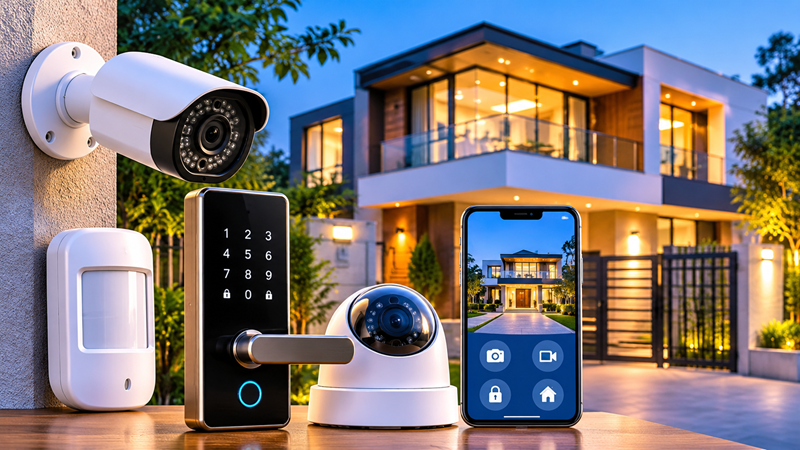
Protecting a home is no longer limited to locking doors and installing traditional alarms. Modern technology has introduced practical ways to monitor properties, manage access, and respond to unusual activity. Homeowners can now use connected devices to create a safer living environment while maintaining greater control over their surroundings.
Choosing the right security equipment depends on the property’s layout, daily routine, and individual safety requirements. A well-planned setup can make everyday protection easier without adding unnecessary complications.
Understanding Modern Home Security Technology
Today’s security devices combine cameras, motion sensors, smart locks, and mobile applications. These tools communicate through a connected network, allowing homeowners to check important activity from their phones.
Many Smart security systems provide notifications when a door opens, movement is detected, or an unexpected event occurs. This makes it easier to stay informed even when nobody is physically present at the property.
Important Features to Consider
Before purchasing security equipment, it is helpful to understand which features offer genuine value.
1. High-Quality Security Cameras
Cameras help homeowners observe entrances, driveways, gardens, and other important areas. Clear video quality is especially useful when reviewing recorded activity. Some models also include night vision and motion detection.
2. Smart Door Locks
Electronic door locks provide convenient access management. Depending on the model, users can unlock doors through a mobile application, personal code, or fingerprint. Temporary access codes can also be useful when visitors or maintenance workers need entry.
3. Motion Detection Sensors
Motion sensors identify unexpected movement in selected areas. They can activate alerts or communicate with other connected devices. Placing them near entry points and less frequently used spaces can improve coverage.
4. Mobile Notifications
Receiving alerts directly on a smartphone helps homeowners remain aware of activity around their property. However, notification settings should be adjusted carefully to avoid unnecessary interruptions.
How Connected Devices Improve Daily Safety
One major advantage of modern home protection is the ability to manage several devices from a single application. Instead of checking separate equipment, homeowners can monitor cameras, review alerts, and control compatible locks through one interface.
Reliable Smart security systems can also support automated routines. For example, outdoor lights may turn on when movement is detected, while selected devices can activate automatically when residents leave home.
These features make security management more convenient and help reduce the need for constant manual monitoring.
Choosing the Right Setup for Your Property
Every property has different security requirements. A small apartment may need a video doorbell and a few sensors, while a larger house could benefit from multiple cameras and additional monitoring equipment.
Before making a purchase, consider these important points:
-
Internet reliability: Connected devices need a stable network for dependable communication.
-
Battery backup: Backup power can help selected equipment remain operational during electricity interruptions.
-
Data protection: Choose products with strong passwords, regular software updates, and secure communication.
-
Installation requirements: Check whether the equipment supports simple installation or requires professional assistance.
-
Expansion options: Select devices that can work together if you decide to add more equipment later.
A carefully selected combination of Smart security systems can provide useful protection without requiring homeowners to purchase every available feature.
Maintaining Your Security Equipment
Regular maintenance is important for keeping security devices dependable. Clean camera lenses, inspect sensor batteries, update device software, and review account permissions periodically.
It is also sensible to test alarms and notifications to confirm that everything works correctly. Homeowners should avoid using default passwords and enable additional account protection whenever available.
Final Thoughts
Technology has made residential protection more accessible and easier to manage. From intelligent cameras to electronic locks, modern equipment offers several practical ways to monitor everyday activity and control property access.
Investing in Smart security systems should begin with understanding your property’s actual needs. By selecting reliable devices, maintaining them properly, and following good digital security practices, homeowners can build a more convenient and dependable home protection setup.